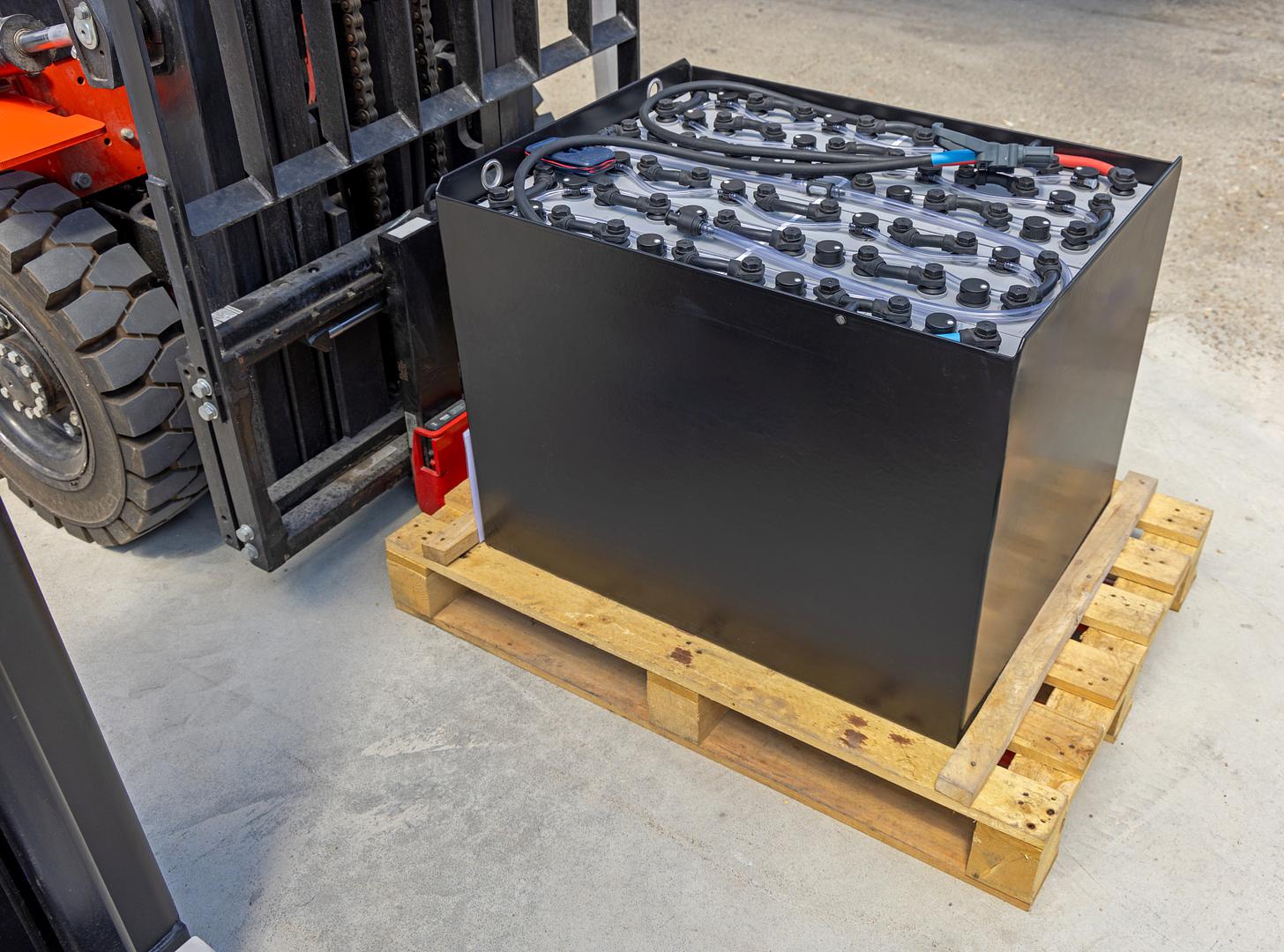
Industrial flooded lead-acid batteries remain a workhorse in warehouses, manufacturing plants, and material handling fleets. They are durable and cost-effective, but they require consistent maintenance to deliver reliable runtime and long service life. One of the most important maintenance tasks is proper watering.
The question is not simply “how much water?”—it is also “when?” Watering at the wrong time can lead to overflow, acid splatter, corrosion, capacity loss, and premature failure. This guide explains the best time to water an industrial flooded battery, why timing matters, and how to build a practical watering routine for industrial operations.
Why Watering Time Matters for Flooded Lead-Acid Batteries
A flooded battery’s electrolyte is a mixture of sulfuric acid and water. During charging, the electrolyte level rises as the battery warms and as the chemical reaction progresses. If you add water before charging, that rising level can push electrolyte out of the vent caps, creating a safety hazard and damaging the battery top, tray, and surrounding equipment.
On the other hand, operating with electrolyte levels too low exposes plates, which accelerates sulfation and plate damage. The goal is to keep plates properly covered while avoiding overfilling.
The Best Time to Water: After a Full Charge (In Most Cases)
In general, the best time to water an industrial flooded battery is after it has completed a full charge and has cooled to a safe, stable temperature. This timing is widely recommended because the electrolyte is at its highest level at the end of charge. By watering after charging, you can fill to the correct level without risking overflow during the next charge cycle.
This “water after charge” approach is particularly important for high-capacity industrial batteries used in:
- Forklifts and pallet trucks
- Automated guided vehicles (AGVs)
- Floor scrubbers and industrial cleaning equipment
- Backup power systems with frequent cycling
When You Should Water Before Charging (The Important Exception)
Although watering after charging is the best practice, there is a critical exception: if electrolyte is below the top of the plates, you must add water before charging—just enough to cover the plates. Charging a battery with exposed plates can cause permanent damage and reduces capacity.
In this situation:
- Add only enough distilled or deionized water to cover the plates.
- Complete the charge cycle.
- Then top off to the proper level after charging (once the battery is cool and stable).
This two-step method prevents plate exposure while still minimizing overflow risk.
How Long Should You Wait After Charging?
In industrial environments, batteries often come off charge warm, and electrolyte can be agitated. For the most accurate fill level, allow time for stabilization.
A practical rule is to:
- Water after charge and after cooldown when possible.
- If cooldown time is limited, at least ensure the battery is not excessively hot and that electrolyte levels appear stable before filling.
Many facilities schedule watering at the end of the charging period (or early in the next shift) to balance uptime and proper maintenance. If you use an automatic watering system, confirm it is set up to fill at the correct stage of the charging routine, consistent with manufacturer recommendations.
How Often Should You Water an Industrial Flooded Battery?
There is no one-size-fits-all frequency. Water consumption depends on battery age, charger settings, depth of discharge, temperature, and how often equalization charging is performed. As a baseline, many industrial operations check water levels weekly, then adjust based on observed consumption.
Water usage tends to increase when:
- Charging rates are high or charge cycles are frequent
- Battery room temperatures are elevated
- Equalization charges are performed often
- The charger is mismatched or set incorrectly
A disciplined schedule—paired with documentation—prevents both chronic under-watering and over-watering.
Recognizing the Correct Fill Level
Industrial flooded batteries typically have level indicators (such as a ring, split collar, or marked baffle) inside each cell. The correct level is usually just below the vent well, leaving space for expansion. Because designs vary by manufacturer and battery model, follow the battery documentation for exact targets.
Important: Never fill to the brim. Overfilled cells are likely to vent electrolyte during charging, leading to corrosion, tracking currents across the battery top, and increased maintenance.
Water Quality: Use the Right Water Every Time
The “best time to water” is only beneficial if the water quality is correct. Minerals and contaminants in tap water can reduce battery life and performance. Use distilled or deionized water that meets the battery manufacturer’s specifications. In large facilities, a properly maintained deionized water system or approved battery watering cart helps standardize quality.
Safety and Process Tips for Industrial Battery Watering
Because flooded lead-acid batteries involve acid and hydrogen gas, watering should be treated as a controlled maintenance activity. Incorporate these operational best practices:
- Wear appropriate PPE (face protection, gloves, and acid-resistant gear as required by site policy).
- Ensure adequate ventilation in the charging area to reduce hydrogen accumulation.
- Keep ignition sources away from charging and watering areas.
- Use approved watering tools (manual or automatic nozzles designed to prevent overfill and backflow).
- Wipe the battery top before watering to prevent debris from entering cells.
- Record watering and inspection data to identify abnormal water use, which can signal overcharging or battery deterioration.
Common Mistakes That Shorten Battery Life
Even well-run operations can develop habits that cause avoidable battery problems. The most common timing-related mistakes include:
- Watering before charging to the final level (often leads to overflow during charge).
- Waiting too long between water checks (can expose plates and accelerate damage).
- Over-watering as a “preventive” measure (increases acid spills and corrosion).
- Using tap water (introduces minerals that harm the cells).
- Ignoring abnormal water consumption (often points to charger settings, heat issues, or excessive equalization).
What About Equalization Charging?
Equalization charging is used to balance cell voltages and address stratification, but it can also increase gassing and water loss. If your maintenance program includes regular equalization, plan to check water levels more carefully afterward.
In many facilities, the most reliable practice is:
Perform equalization as scheduled, then inspect and water after the equalization charge is complete and the battery has stabilized.
Practical Rule of Thumb for Industrial Teams
If you need a straightforward standard for training and consistency, use this:
Check electrolyte regularly. Add water only after a full charge, unless plates are exposed—then add enough water to cover plates before charging and top off after charging.
Conclusion: Timing Is the Difference Between Routine Maintenance and Costly Damage
The best time to water an industrial flooded battery is typically after it reaches a full charge and, ideally, after it has cooled and stabilized. This approach minimizes overflow risk, supports accurate fill levels, and helps extend battery life. The key exception is low electrolyte that exposes plates—address that immediately with a minimal pre-charge addition to protect the battery, then top off after charging.
By combining correct watering timing with high-quality water, consistent inspections, and safe handling practices, industrial operations can reduce downtime, cut replacement costs, and improve fleet reliability.